Poison Ivy Removal in Harford County, MD
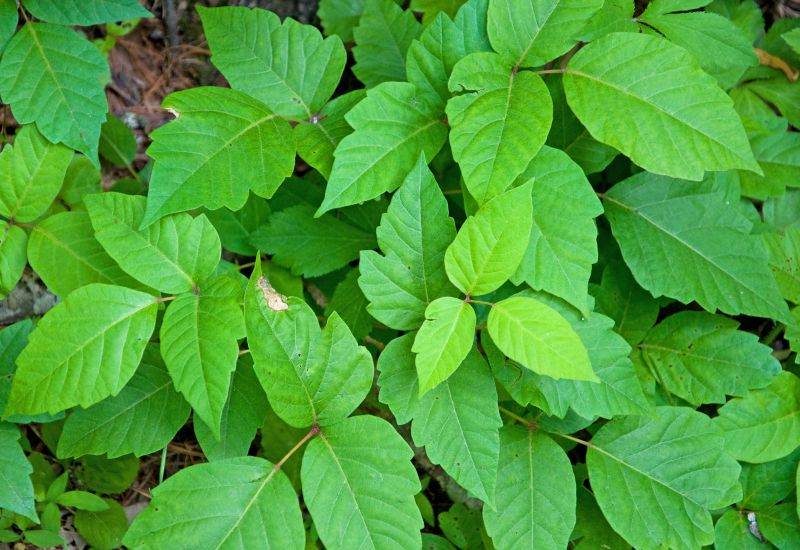
Poison ivy removal services focus on safely eliminating this invasive plant from residential properties, including yards, gardens, and wooded areas. These services typically involve identifying and carefully removing poison ivy vines, roots, and affected plants to prevent further growth and reduce the risk of skin irritation or allergic reactions for homeowners and their families. Projects can range from clearing small patches in backyard gardens to extensive removal from large wooded areas or landscape features, ensuring the property remains safe and accessible.
Property owners often seek poison ivy removal to protect children, pets, and visitors from exposure, as well as to maintain the aesthetic appeal and safety of outdoor spaces. Before requesting removal, it is helpful to understand the extent of the infestation, the types of areas affected, and any specific concerns about surrounding plants or structures. Proper identification of poison ivy and understanding the scope of work can help ensure the process is effective and minimizes the chance of regrowth.
Many property owners in Harford County, MD look into Poison Ivy Removal for repairs, replacements, upgrades, and appearance-related improvements.
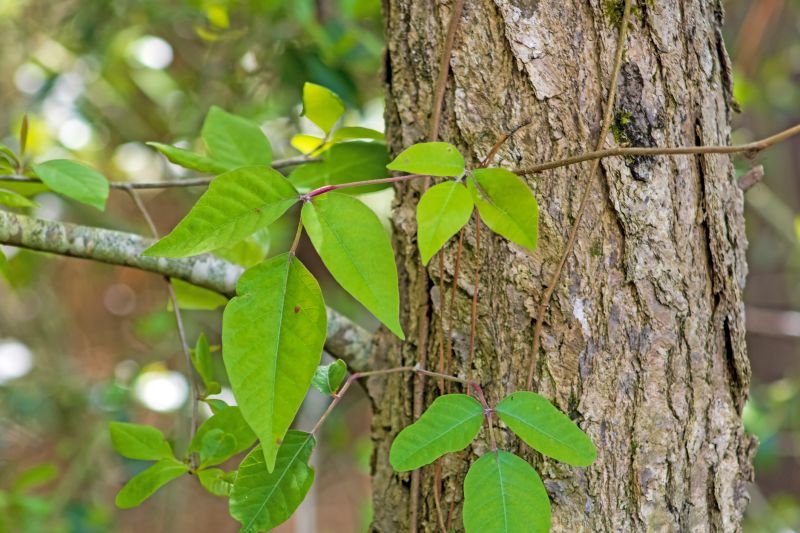
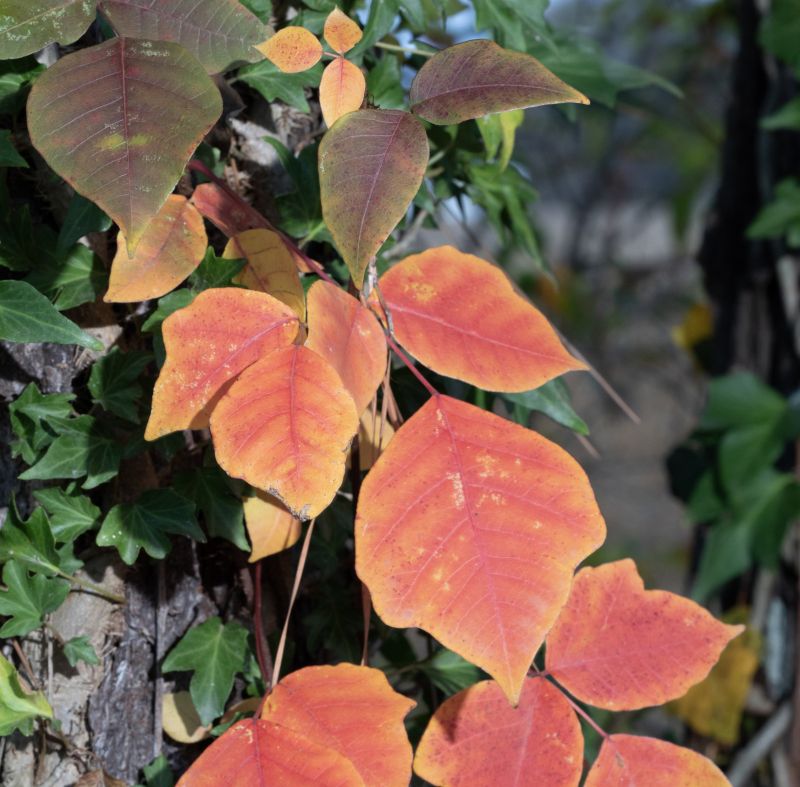
Poison Ivy Identification
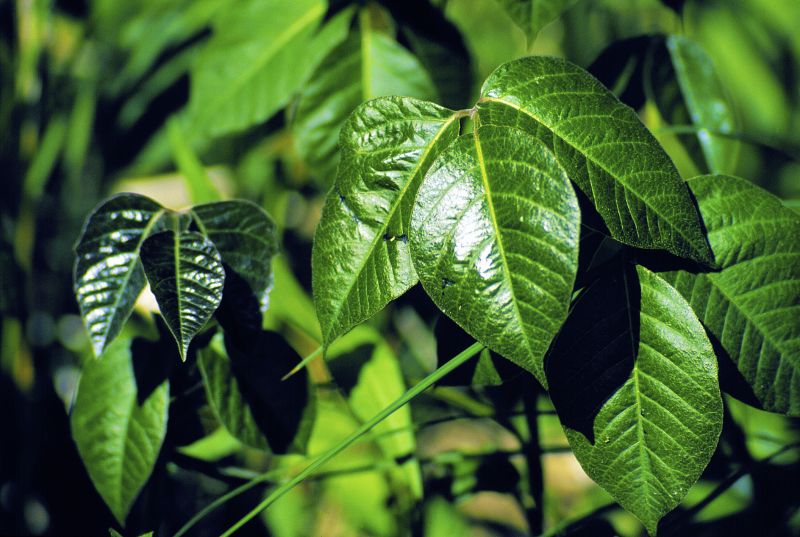
Recognizing poison ivy helps prevent skin irritation and guides effective removal.
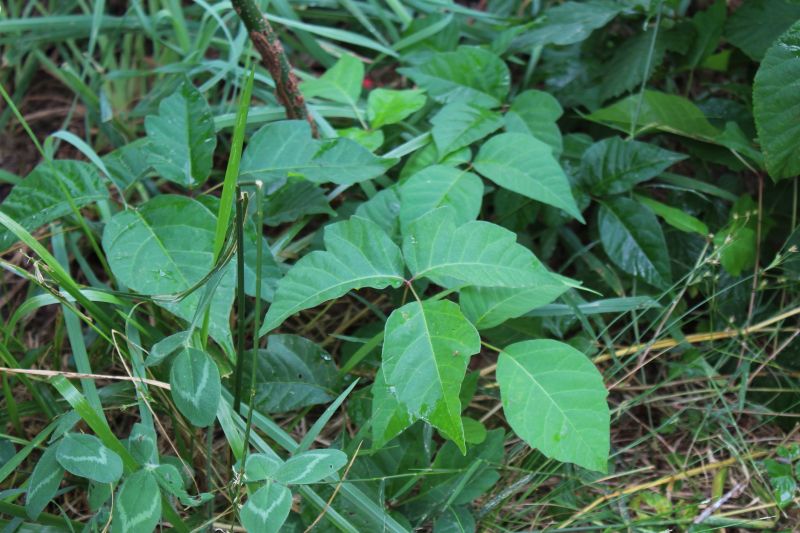
Property Safety And Prevention
Removing poison ivy reduces the risk of contact for families and outdoor enthusiasts.
Professional Removal Solutions
Experts use specialized methods to safely eliminate poison ivy from yards and wooded areas in harford county.
Poison Ivy Removal in Harford County, MD
Poison ivy removal services focus on safely eliminating this invasive plant from residential properties, including yards, gardens, and wooded areas. These services typically involve identifying and carefully removing poison ivy vines, roots, and affected plants to prevent further growth and reduce the risk of skin irritation or allergic reactions for homeowners and their families. Projects can range from clearing small patches in backyard gardens to extensive removal from large wooded areas or landscape features, ensuring the property remains safe and accessible.
Property owners often seek poison ivy removal to protect children, pets, and visitors from exposure, as well as to maintain the aesthetic appeal and safety of outdoor spaces. Before requesting removal, it is helpful to understand the extent of the infestation, the types of areas affected, and any specific concerns about surrounding plants or structures. Proper identification of poison ivy and understanding the scope of work can help ensure the process is effective and minimizes the chance of regrowth.
Many property owners in Harford County, MD look into Poison Ivy Removal for repairs, replacements, upgrades, and appearance-related improvements.
Common Poison Ivy Removal Jobs
Poison Ivy Removal - Safely eliminates invasive plants from yards and landscapes.
Yard Clearing - Removes poison ivy from lawns, gardens, and wooded areas.
Property Maintenance - Prevents regrowth with targeted removal of poison ivy patches.
Landscape Cleanup - Clears overgrown areas affected by poison ivy growth.
Vegetation Control - Manages invasive plants to protect trees and shrubs.
Hazardous Plant Removal - Addresses dangerous plants that pose health risks to residents.
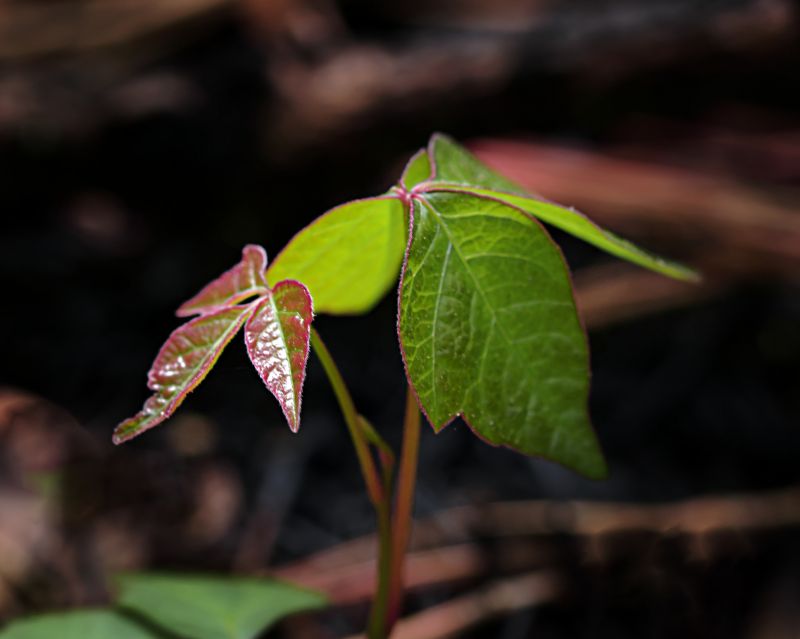
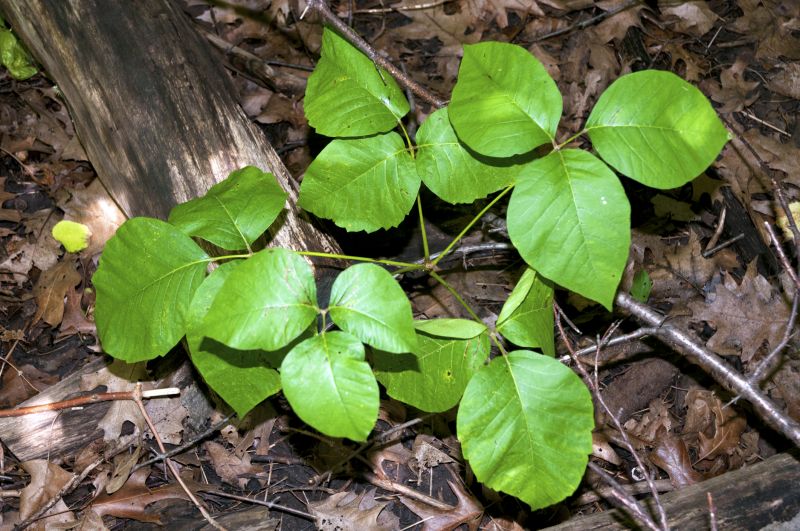
Poison Ivy Removal Questions
What is poison ivy removal? Poison ivy removal involves safely eliminating the plant from your property to prevent skin irritation and damage.
When should poison ivy be removed? Removal is recommended when poison ivy is present in areas where people walk or play, or near structures and landscaping.
How is poison ivy removed? The process typically includes manual removal or targeted herbicide application to ensure complete eradication.
Can poison ivy grow back after removal? Yes, poison ivy can regrow if roots or remaining plant material are not fully removed or treated.
Request Poison Ivy Removal in Harford County, MD
Use the quote form on this page to share the basics of your project and request more information for the type of work you need.